(NEWS) MADRID, Spain, 2026-Mar-30 — /Travel PR News/ — A growing number of global tourism companies are turning their attention to a problem that rarely appears on travel brochures but carries significant environmental and economic weight: food waste.
On 30 March, marking the International Day of Zero Waste, industry leaders and international organisations gathered to launch a new initiative aimed at tackling the issue at scale across hotels, resorts and travel operations worldwide.
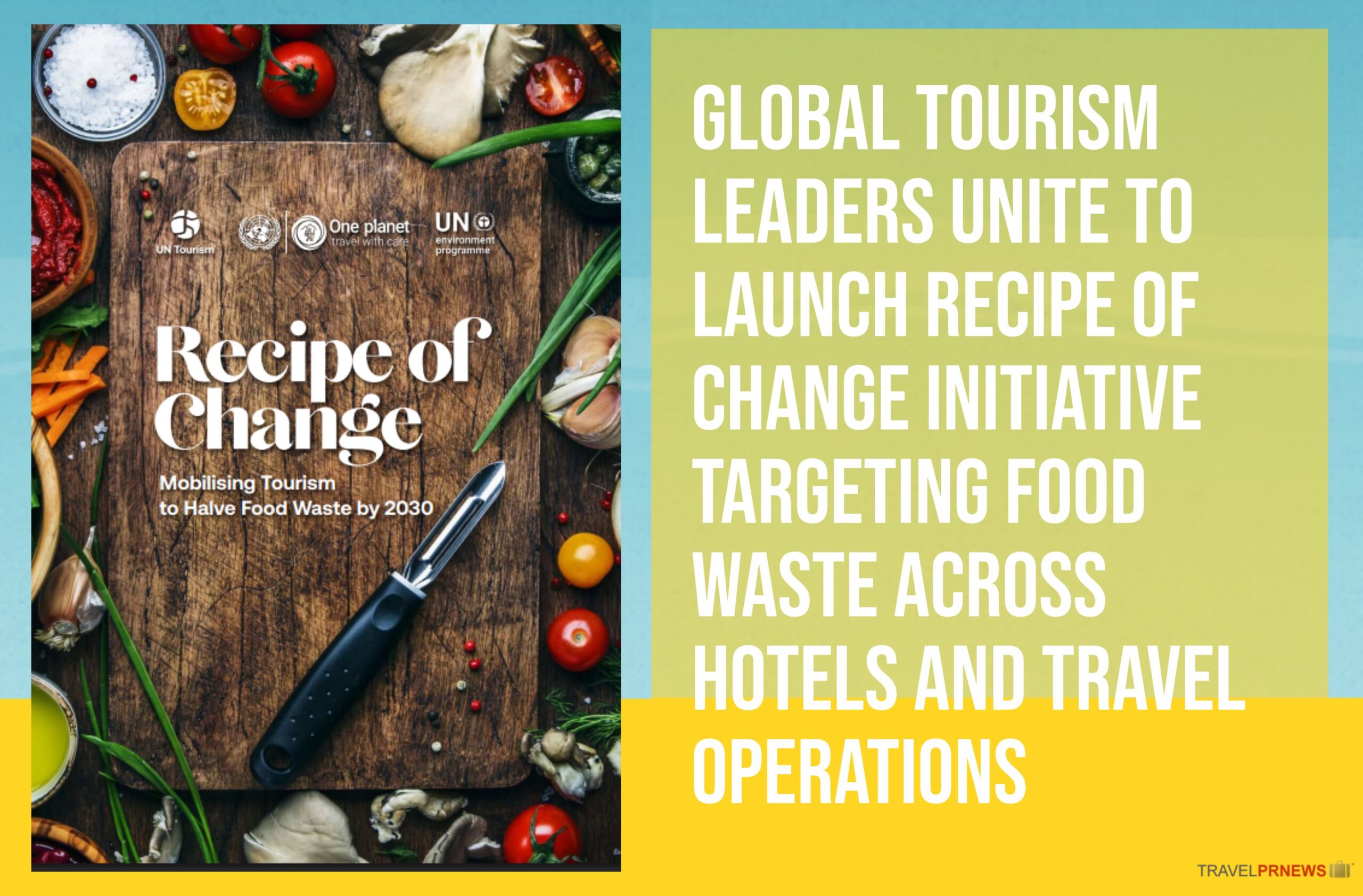
The programme, titled Recipe of Change, has been introduced by the United Nations Environment Programme in partnership with UN Tourism. It brings together a broad coalition of tourism businesses with the goal of reducing food waste across their operations while influencing consumer behaviour and supporting more sustainable food systems.
According to details shared during the launch, participating companies collectively serve more than 600 million guests each year and generate over $56 billion in annual revenue — a scale that organisers say gives the initiative immediate practical reach. By working across such a large segment of the industry, the programme aims to deliver measurable reductions in food waste while also addressing operational costs and supply chain resilience.
The launch coincided with a Global Roundtable that focused on how tourism businesses can integrate waste reduction into everyday operations. Alongside environmental considerations, discussions highlighted the financial implications of food waste, noting that reducing surplus can lower costs and improve efficiency while contributing to broader food security goals.
Central to the initiative is a commitment from participating organisations to measure food waste within their operations and implement both operational and behavioural changes. These efforts are aligned with the United Nations Sustainable Development Goal 12.3, which targets halving global food waste by 2030.
The initiative has already attracted a wide range of major tourism and hospitality brands, including Hilton, Accor, Meliá Hotels International, Radisson Hotel Group, Club Med, Iberostar Hotels & Resorts, Minor Hotels, and TUI Group, alongside travel operators and specialist partners.
Organisers point to earlier industry efforts as evidence that targeted action can produce results. One example cited is the “Green Ramadan” campaign led by Hilton in collaboration with Winnow, which achieved food waste reductions of more than 60% in initial pilot phases and continued to deliver improvements as the programme expanded to more locations.
The broader aim of Recipe of Change is to move beyond isolated sustainability projects and establish a coordinated, industry-wide approach. By encouraging more businesses to participate, organisers hope to accelerate progress toward global waste reduction targets while embedding sustainability more deeply into tourism operations.
For an industry that feeds millions of travellers every day, the initiative underscores a shift toward addressing the less visible impacts of tourism — focusing not just on destinations and experiences, but on how those experiences are delivered behind the scenes.