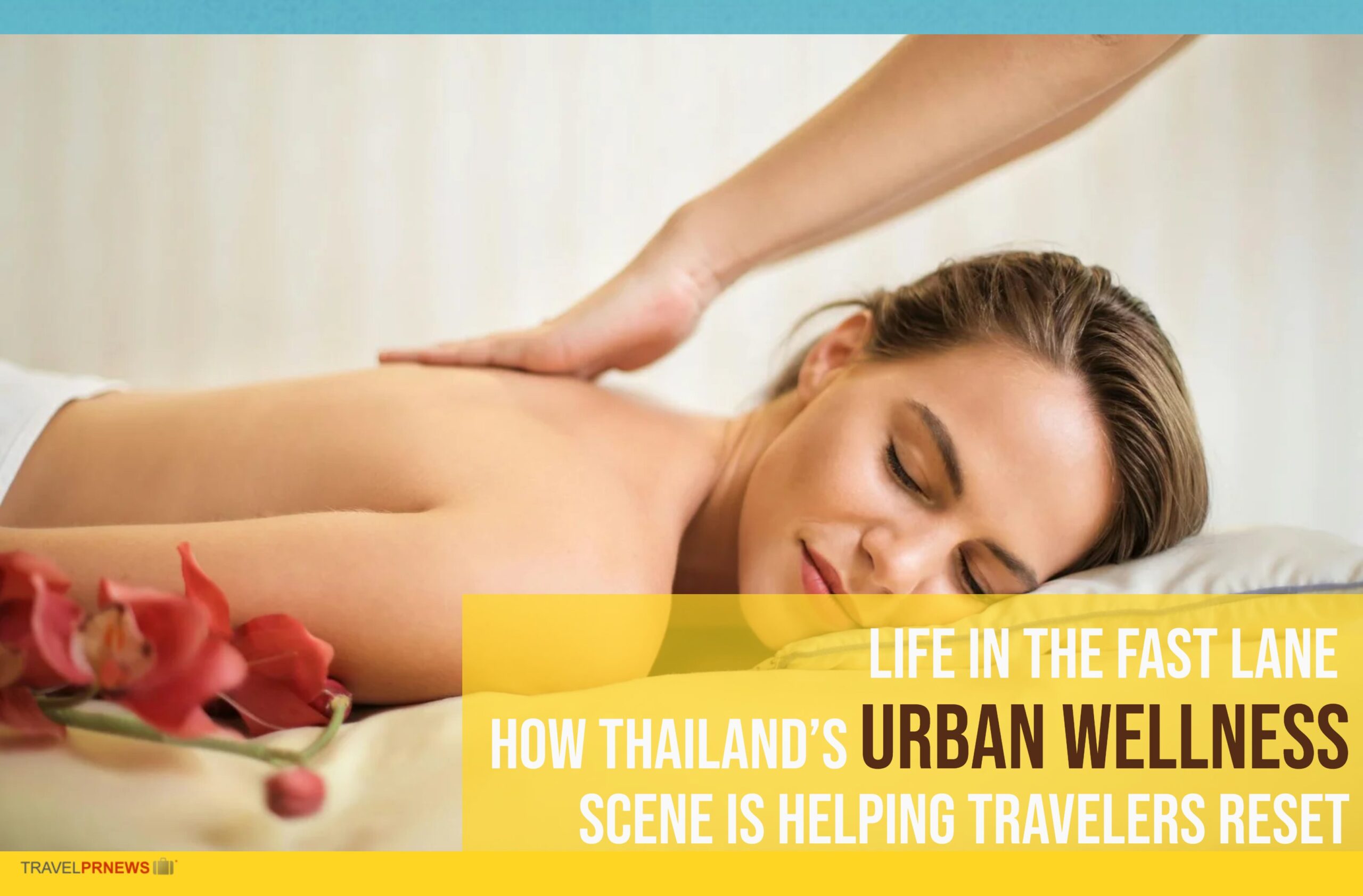
(NEWS) BANGKOK, Thailand, 2026-Jan-26 — /Travel PR News/ — Urban wellness is gaining momentum across Thailand as the country adapts its long-standing spa culture to meet the needs of modern, city-based travelers. While Thailand has traditionally been associated with destination resorts and retreat-style wellness experiences, a growing number of operators are now bringing recovery-focused services directly into urban centers, reflecting changing travel patterns and lifestyles.
Bangkok sits at the heart of this shift. Long recognized for its traditional Thai massage and luxury spas, the capital is increasingly home to wellness venues designed for convenience, flexibility, and targeted outcomes. Established operators such as Health Land and Divana Wellness have long maintained strong urban footprints, offering comprehensive spa services within central districts that cater to both international visitors and local professionals. These venues helped lay the groundwork for urban wellness by proving that city-based spas could thrive alongside resort counterparts.
In recent years, newer concepts have broadened the urban wellness landscape further. Japanese-inspired bathhouses such as Yunomori Onsen & Spa have introduced communal soaking and thermal bathing into Bangkok’s city fabric, adapting traditions typically associated with resort towns for metropolitan settings. Medical wellness clinics, physiotherapy studios, and recovery-focused fitness centers have also expanded, reflecting demand for wellness experiences that deliver practical benefits within limited timeframes.
Sleep-focused and sensory-based wellness is another area beginning to gain visibility. A small but growing number of boutique operators are exploring treatments aimed at nervous-system regulation, stress relief, and improved rest—issues increasingly linked to urban living and digital work habits. Chandee Sleep Salon & Massage in Silom is one example of this emerging niche, offering a Vietnamese head spa experience and extended evening hours suited to city schedules. While still a relatively new category within Thailand’s wellness sector, sleep-oriented treatments are drawing attention as travelers and residents alike seek solutions beyond traditional massage.
This evolution reflects broader changes in how wellness fits into Thailand’s tourism economy. Business travel, short city breaks, and blended work-leisure trips have become more common, particularly in Bangkok. Urban wellness venues are responding with treatments that can be completed in one to three hours, located near transport hubs, offices, and hotels, making them accessible without disrupting travel itineraries.
Beyond Bangkok, urban wellness concepts are also appearing in other Thai cities. Chiang Mai has seen growth in wellness cafés, yoga studios, and urban retreat spaces catering to digital nomads, while Phuket Town is developing a more city-centered wellness scene distinct from its resort areas. These developments suggest that wellness in Thailand is no longer confined to isolated destinations but is increasingly integrated into everyday urban life.
Industry observers note that this shift also mirrors a changing definition of luxury. Privacy, calm, and meaningful recovery are becoming as valuable as traditional indulgence, particularly within busy cities. Boutique-scale operations, personalized service, and thoughtfully designed environments are emerging as key differentiators in Thailand’s urban wellness market.
As Thailand continues to refine its position as a global wellness destination, the expansion of urban wellness offerings signals a broader transformation. By embedding wellness into its cities, the country is extending its spa heritage into new contexts—allowing travelers not only to explore Thailand’s urban centers, but also to recover within them.