(NEWS) BRUSSELS, 2026-Jan-19 — /Travel PR News/ — Brussels Airport has taken a significant step toward reshaping how next-generation medical treatments move around the world, with the first successful test shipments of human cell and blood material departing for the United States as part of the Precision Therapy Logistics Gateway (PTLG) project. Based on details shared through official project updates, the initiative explores how highly sensitive, personalised therapies — including cutting-edge cancer and rare disease treatments — can be transported safely, quickly and reliably by air.
Since November, ten trial shipments have travelled from Brussels Airport to BioLabs Pegasus Park, a major biotech hub in Dallas, with all consignments arriving successfully. A further 50 test shipments are scheduled in the coming weeks, forming part of a wider effort to map risks, bottlenecks and operational challenges across existing global logistics chains for precision therapies.
Unlike conventional pharmaceuticals, precision therapies such as cell, gene and radioligand treatments are tailored to individual patients and demand strict control over temperature, timing and handling. In this model, it is the patient’s cellular material — not the patient — that travels internationally, significantly expanding access to advanced treatments while reducing physical and logistical burdens.
The test shipments are being coordinated by at.las, the Antwerp-based ecosystem for Advanced Therapy Medicinal Products, together with the Science Park University of Antwerp in Niel. Research samples are provided by the University of Antwerp’s Laboratory of Experimental Haematology and sourced from healthy donors, with material moving between the Antwerp University Hospital’s Centre for Cell Therapy and Regenerative Medicine and Brussels Airport before crossing the Atlantic.
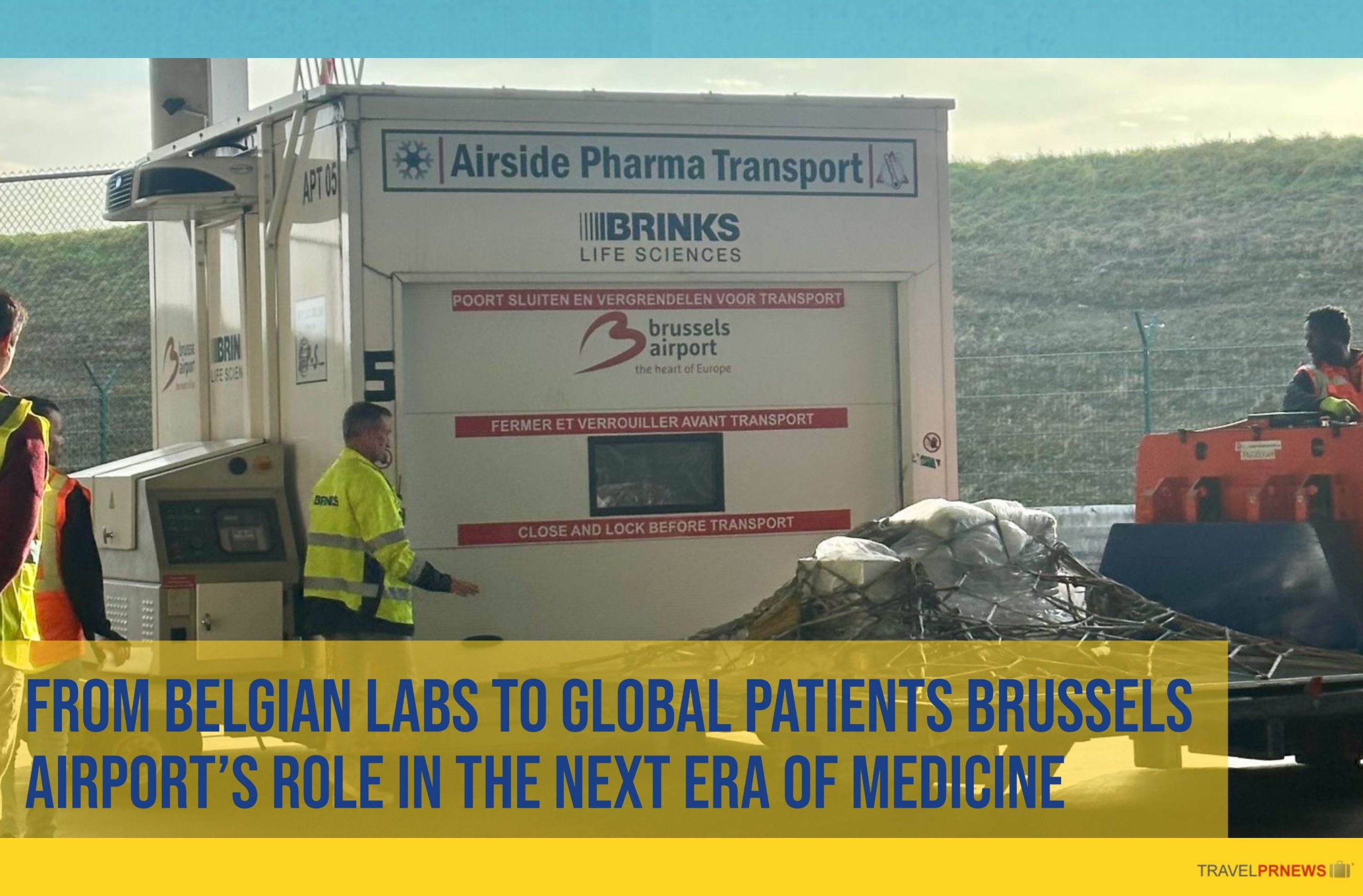
Brussels Airport’s established role as Europe’s leading pharmaceutical cargo hub underpins the project. The airport operates around 45,000 square metres of temperature-controlled storage within its cargo zone and has developed its own refrigerated air cargo containers to maintain optimal conditions during flight. On arrival in Dallas, the material is inspected at BioLabs Pegasus Park before being returned to Belgium, completing a full end-to-end logistics loop.
Beyond proving technical feasibility, the project has broader ambitions. Sensors embedded within the shipments continuously track lead times, temperature stability and traceability, allowing partners to pinpoint vulnerabilities across the transport chain. The findings, expected in the first half of 2026, will inform the development of what project leaders aim to make the world’s first internationally recognised standard for the air transport of precision therapies.
Led by Air Cargo Belgium and supported by partners including Pharma.Aero and Brussels Airport, the PTLG project also explores the potential for a dedicated precision-therapy logistics centre within the airport’s cargo area. Co-funded by the provinces of Antwerp and Flemish Brabant, the initiative reflects a growing alignment between aviation, life sciences and healthcare innovation — positioning Brussels Airport not just as a transit point, but as an active enabler of future medicine.