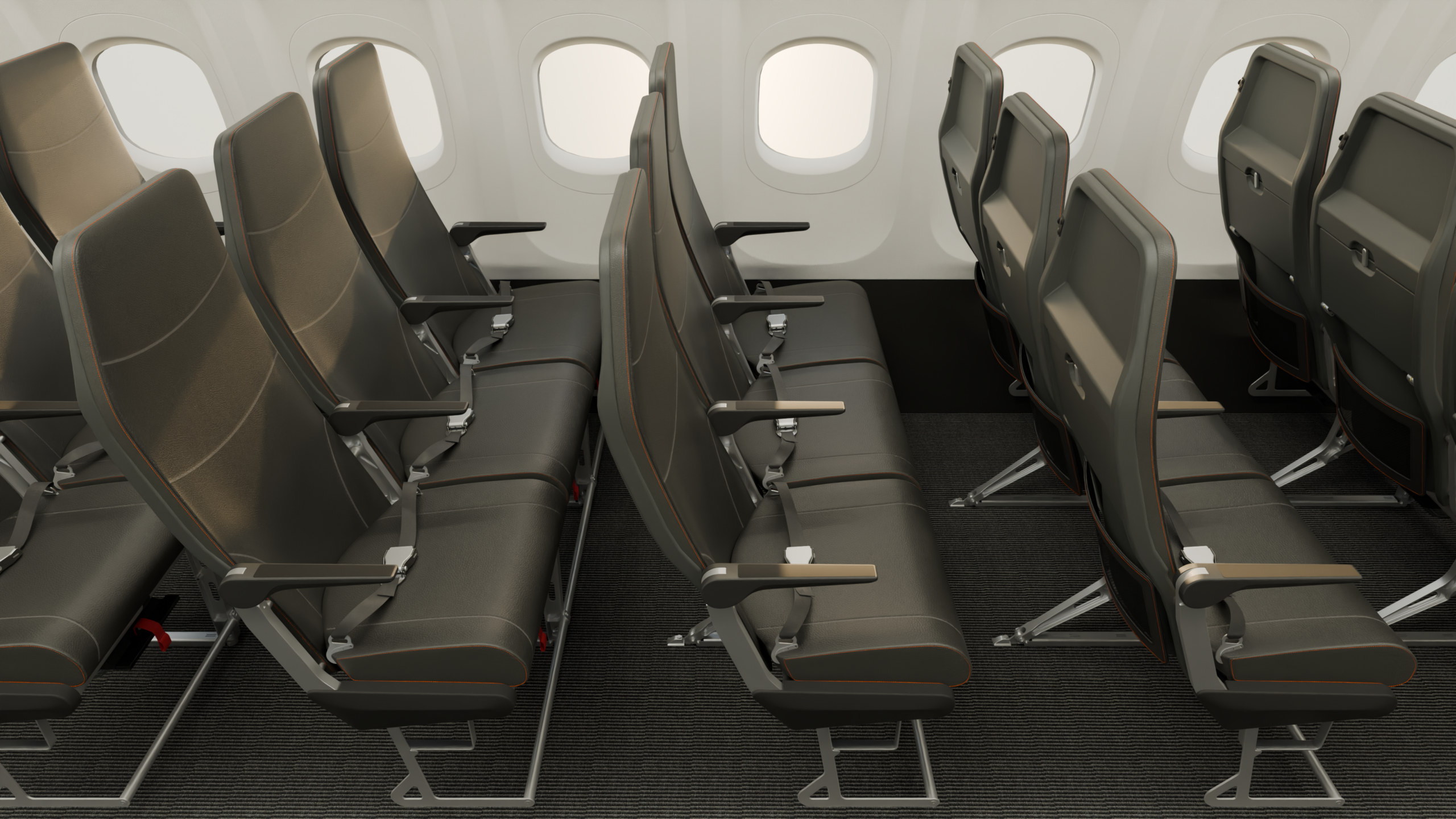
easyJet partners with Mirus Aircraft Seating to deploy innovative seats delivering lower fuel burn and improved onboard experience
(IN SHORT) easyJet has announced the introduction of new lightweight Kestrel seats from Mirus Aircraft Seating, which will be installed on its Airbus A320neo and A321neo fleet from 2028. The seats are over 20% lighter than current models, enabling significant fuel savings and reducing carbon emissions by more than 40,000 tonnes annually. In addition to sustainability benefits, the seats offer up to two inches of extra legroom and improved comfort through ergonomic design. The initiative forms part of easyJet’s broader strategy to reduce its environmental impact through fleet renewal, operational efficiencies, and technological innovations, including aerodynamic upgrades, optimized taxiing, and advanced navigation systems. Together, these measures aim to enhance both operational performance and the passenger experience.
(PRESS RELEASE) LUTON, UK, 2026-Mar-23 — /Travel PR News/ — easyJet has announced an order for new lightweight aircraft seats that will be introduced across its future fleet from 2028, combining improved passenger comfort with significant environmental benefits. The new Kestrel seats, developed by UK-based manufacturer Mirus Aircraft Seating, will be installed on Airbus A320neo and A321neo aircraft as part of easyJet’s 237 aircraft order pipeline.
The next-generation seats are designed to be more than 20% lighter than those currently in use, contributing to a reduction in aircraft weight of up to 500 kilograms on larger models. This weight saving is expected to deliver annual fuel savings exceeding 12,900 tonnes and reduce carbon emissions by more than 40,000 tonnes per year, supporting easyJet’s broader sustainability objectives.
Alongside environmental improvements, the Kestrel seats will enhance the passenger experience by offering up to two inches of additional legroom. The ergonomic design includes a pre-reclined structure that improves comfort and increases space around the knees and shins without altering seat pitch, making them particularly suited for short- and medium-haul travel.
The seats have been engineered with durability and lifecycle performance in mind. Their simplified design reduces the number of components, lowering maintenance requirements while extending operational lifespan. At the end of their service life, approximately 98% of the seat materials can be recycled, supporting circular economy principles.
Development and testing of the Kestrel seats took place at Mirus’ UK-based MTEST facility, one of the largest commercial testing centres of its kind. This approach reduces both costs and environmental impact by eliminating the need for external testing and transportation.
David Morgan, Chief Operating Officer at easyJet, noted that the introduction of the new seats aligns with the airline’s strategy of achieving incremental efficiency gains that collectively deliver meaningful reductions in fuel consumption and emissions. He also highlighted the added benefit of enhanced passenger comfort.
Ben McGuire, Chief Executive Officer of Mirus Aircraft Seating, described the agreement as a significant milestone for the company, reflecting confidence in its technology and shared ambitions with easyJet to improve onboard experience while delivering sustainability and operational efficiency.
The seat upgrade forms part of a broader programme of initiatives aimed at reducing easyJet’s environmental footprint. These include ongoing fleet renewal with more efficient Airbus NEO aircraft, aerodynamic enhancements such as sharklets to reduce drag, and operational measures like single-engine taxiing and optimized fuel planning. The airline has also introduced lighter aircraft paint systems, digitalised flight manuals to reduce onboard weight, and implemented energy-saving solutions such as pre-conditioned air units at airports.
Additional investments include advanced navigation technologies such as FANS-C to optimize flight paths and reduce emissions, as well as cabin reconfigurations like SpaceFlex, which allow for increased seating capacity while maintaining passenger comfort.
Through these combined efforts, easyJet continues to focus on improving operational efficiency and reducing its carbon intensity, while maintaining a strong emphasis on enhancing the customer experience across its network.
Media contact:
Holly Mitchell
Holly.Mitchell@easyjet.com
SOURCE: easyJet