Where to Find the Authentic Side of Oktoberfest 2025
- Dates: Oktoberfest 2025 runs from 20 September – 5 October in Munich
- Hidden Tents: Discover Zur Bratwurst, Café Kaiserschmarrn, and Kuffler’s Weinzelt
- Tradition: Watch the crossbow competition in the Armbrustschützenzelt
- Agriculture: The Central Agricultural Fair (ZLF) returns with livestock and farming showcases
- Local Favorites: Experience the Augustiner-Festhalle, Wildstuben, and the nostalgic Oide Wiesn
- Culture: Concerts at Gasteig HP8, opera at the Nationaltheater, and exhibitions at Haus der Kunst and Pinakothek der Moderne
- Seasonal Cuisine: Try wild mushrooms, venison, and Federweißer alongside classic Wiesn fare
- ️Day Trips: Extend the experience with visits to the Ayinger Brewery, Andechs Monastery, and Lake Tegernsee
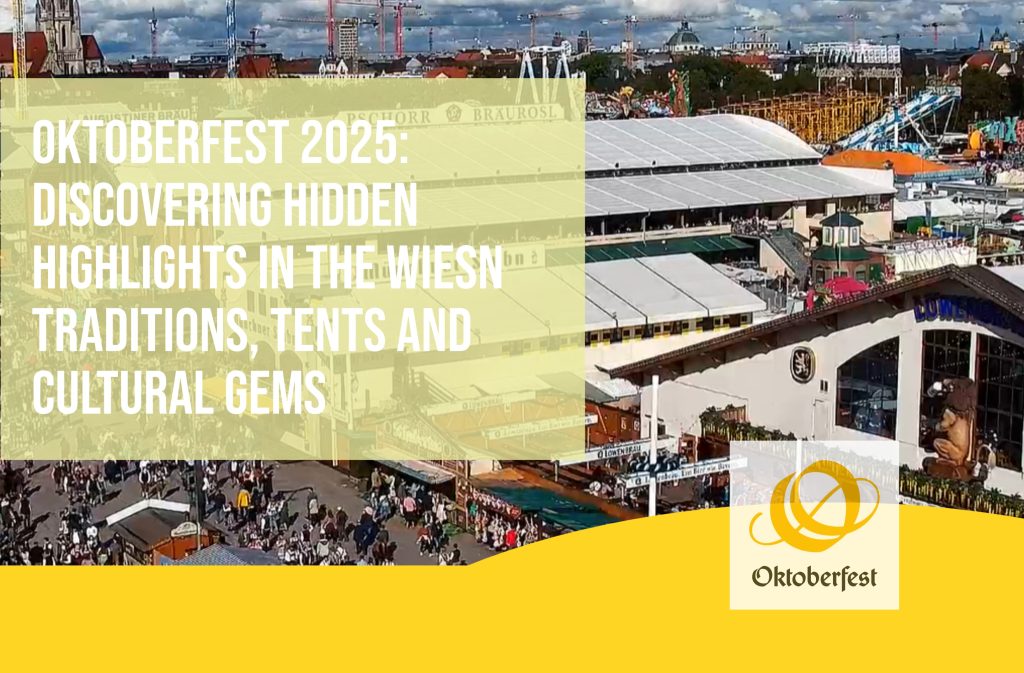
(NEWS) MUNICH, 2025-Sep-25 — /Travel PR News/ — When Munich raises the curtain on the 190th Oktoberfest from 20 September to 5 October 2025, millions of visitors will stream onto the Theresienwiese expecting parades, overflowing beer steins, brass bands, and carnival rides. Yet beyond the well-worn images lies another Oktoberfest — a mosaic of overlooked traditions, intimate corners, and cultural layers that reveal the festival’s authentic spirit. For travellers who want more than the obvious, exploring these hidden highlights inside the Wiesn — as locals call it — can transform a visit from a tourist spectacle into a meaningful encounter with Bavarian life.
The Charm of Smaller Tents
While the famous brewery tents dominate guidebooks, the soul of Oktoberfest often resides in the smaller, lesser-known tents.
- Zur Bratwurst specializes in Franconian sausage, grilled over open beechwood fires — a smoky, old-world flavour many overlook in favour of mass dishes.
- Café Kaiserschmarrn, operated by the Rischart family, hence also known as the Rischart Tent, is a tent designed for dessert lovers. Late at night, when the larger tents grow deafening, this space offers warm pancakes, strudels, and cakes accompanied by live music.
- The Kufflers Weinzelt breaks the stereotype that Oktoberfest is only about beer. After 9pm, locals gather here over glasses of Franconian wine or champagne, giving the Wiesn a very different rhythm.
These spaces rarely appear on tourists’ first itineraries, but they embody the intimate, convivial side of the Wiesn that locals cherish.
Competitions and Traditions Few Visitors See
Among the most overlooked traditions is the crossbow competition inside the Armbrustschützenzelt. For centuries, members of shooting guilds have competed here, upholding a medieval custom that connects Bavaria’s past with its modern festivities.
Equally hidden from casual visitors is the return of the Central Agricultural Fair (Zentrallandwirtschaftsfest, ZLF) in 2025, held only once every four years. This parallel event on part of the Wiesn grounds showcases livestock exhibitions, equestrian shows, and modern agricultural innovations. It is a reminder that Oktoberfest is not just a beer festival but also a celebration of Bavarian rural heritage.
Secret Entrances and Quieter Moments
The sheer scale of Oktoberfest can be overwhelming, but experienced visitors know how to slip past the chaos. The Esperantoplatz entrance on the southern edge is one of the easiest ways to avoid the crush of main gates.
Timing also matters. Tuesdays are designated as Family Days, with reduced ride prices and a calmer energy that softens the festival’s intensity. Early mornings provide another overlooked experience, when locals arrive with children to enjoy sweets and carousels before crowds build. Seeing the Wiesn through this lens offers a gentler, more authentic perspective.
Where Locals Gather
Ask Munich residents where they spend their Wiesn, and many point to the Augustiner-Festhalle, where beer is still tapped from wooden barrels — a flavour detail that locals prize. Others gravitate toward Wildstuben, a tent designed like a rustic hunting lodge where venison and game dishes replace the standard roast chicken.
For many families, the Oide Wiesn (Bavarian for “old fairground”) is the real jewel. With its nostalgic rides, folk theatre, and authentic folk music, it captures the essence of a festival that began in 1810. A small admission fee keeps the crowds lighter, making it feel like a secret corner of Oktoberfest hidden in plain sight. You can find it at the following address: 4GHW+QV, 80336 München.
Cultural Layers Beyond the Festival Grounds
Munich itself reveals hidden highlights during Oktoberfest season:
- Gasteig HP8 and the Nationaltheater schedule special concerts, operas, and performances designed to attract visitors already in the city for the festival.
- Art institutions such as the Haus der Kunst and Pinakothek der Moderne frequently open new exhibitions in late September, giving travellers a sophisticated alternative to the Wiesn buzz.
- In neighbourhoods like Glockenbachviertel and Schwabing, smaller venues host jazz sessions, pop-up galleries, and LGBTQ+ nightlife, offering a side of Munich rarely linked with Oktoberfest yet thriving in parallel.
Culinary Discoveries Beyond Beer and Pretzels
The Wiesn staples are well known, but travellers seeking seasonal depth should look for autumn specialties. Restaurants across Munich serve wild mushroom dishes, roast venison, and Federweißer (the first pressing of the grape harvest, slightly sparkling and only available for a few weeks each year).
Some of the city’s Michelin-starred restaurants, including Tantris and Dallmayr, craft Wiesn-inspired menus that reinterpret Bavarian classics in refined tasting courses — a culinary experience worlds apart from the tents, yet tied to the same seasonal traditions.
Day Trips With a Wiesn Connection
Hidden highlights are not confined to Munich itself. Short trips from the city offer deeper insights into Bavarian brewing and culture:
- The Ayinger Brewery, 30 minutes by S-Bahn, offers tours of its Märzen — the original Oktoberfest style of beer not poured at the Wiesn.
- The Andechs Monastery, overlooking Lake Ammersee, combines pilgrimage, history, and brewery traditions in a serene setting.
- Lake Tegernsee, with its own lakeside brewery and mountain backdrop, provides a quieter echo of the festival spirit.
Why the Hidden Highlights Matter
Oktoberfest is the world’s most famous folk festival, but its richness lies in the details often missed by hurried visitors. From small tents where locals linger, to ancient competitions that survive quietly, to neighbourhoods and cultural spaces that celebrate in their own way, the Wiesn is more than beer steins and brass bands.
In 2025, with the return of the Agricultural Fair and a renewed emphasis on tradition alongside modern festivities, those who seek out the hidden highlights inside the Wiesn will discover a festival that is both deeply Bavarian and globally welcoming — a layered cultural experience that extends far beyond the obvious.