Korean Air Cuts Aircraft Carbon Emissions by Over 420,000 Tons Through Fuel Efficiency and Fleet Modernization
(IN SHORT) Korean Air reduced aircraft carbon emissions by more than 420,000 tons in 2025, achieving a 3.3 percent reduction despite an increase in flight operations. The improvement was driven by fleet modernization, fuel efficiency measures, optimized flight planning, and reduced ground energy use. Modern aircraft accounted for over 40 percent of flights, while AI-powered data systems improved weight predictions and fuel planning accuracy. Managed through the airline’s Fuel Management Steering Committee, the initiatives demonstrate Korean Air’s ongoing commitment to lowering emissions and improving operational efficiency.
(PRESS RELEASE) SEOUL, 2026-Feb-27 — /Travel PR News/ — Korean Air reported a significant reduction in carbon emissions from its flight operations in 2025, cutting emissions by more than 420,000 tons through a combination of advanced fuel management practices and ongoing fleet modernization. The airline recorded total flight emissions of 12,184,169 tons during the year, representing a 3.3 percent decrease compared with 2024 levels, even as flight operations increased by 2.6 percent.
The reduction reflects coordinated efforts across operational areas including flight operations, engineering and maintenance, and passenger services. Oversight of these initiatives is provided by the airline’s Fuel Management Steering Committee, which meets quarterly to monitor performance and guide fuel efficiency strategies.
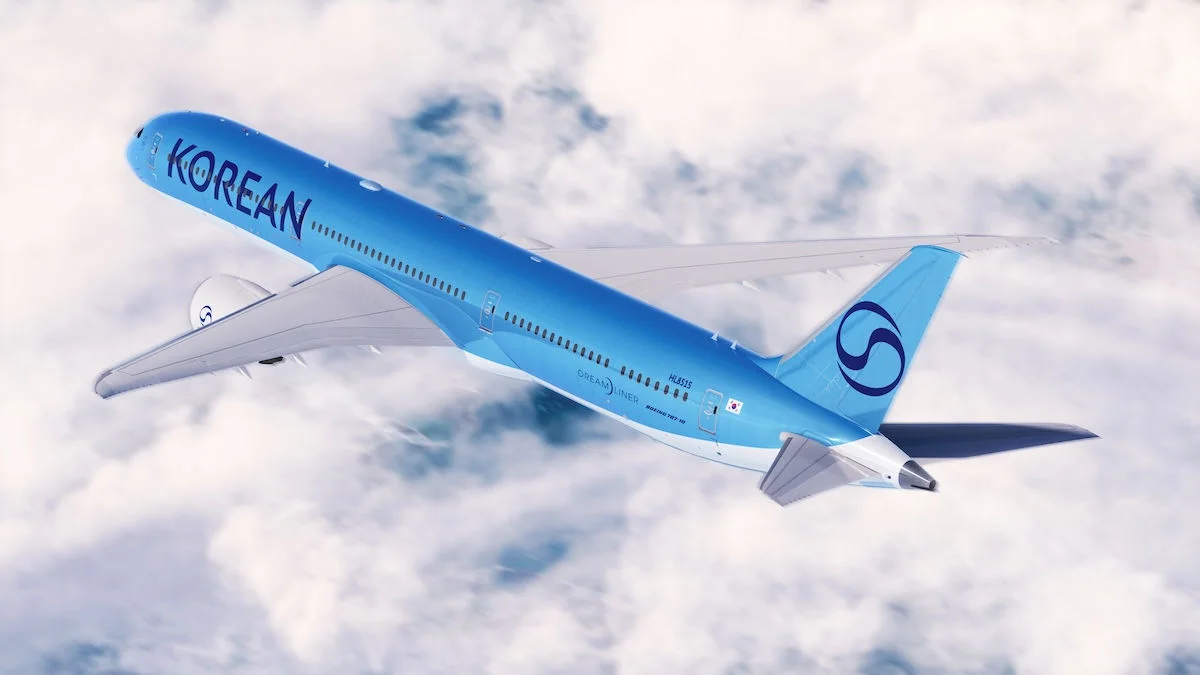
A key factor behind the emissions reduction was the continued expansion of next-generation aircraft within Korean Air’s fleet. Modern aircraft such as the Boeing 787-9 and 787-10, Airbus A350, and Airbus A321neo accounted for 41.6 percent of total flights in 2025, contributing to improved fuel efficiency and lower emissions.
Operational measures also played a major role. The airline optimized cruise speed through adjustments to Cost Index parameters to balance fuel consumption with travel time. Improvements in payload planning included more accurate Zero Fuel Weight forecasts and center-of-gravity optimization to reduce aerodynamic drag. Closer coordination with air traffic control helped secure more direct flight routes, shortening distances and lowering fuel consumption, while the selection of optimal alternate airports reduced reserve fuel requirements.
Additional efficiency gains came from reducing the use of Auxiliary Power Units during ground operations and maintaining engine performance through regular core washing and precision tuning.
Korean Air has also enhanced its fuel efficiency programme through digital technologies and artificial intelligence. The airline introduced an AI-powered system to improve data accuracy, including more precise predictions of baggage and potable water weight. These data-driven improvements have supported more accurate flight planning and reduced unnecessary fuel loading. The initiative was recognized with the Data Insight & Pioneer award at SkyTeam’s Aviation Challenge 2025.
Through a combination of technological innovation, operational improvements and employee participation, Korean Air continues to advance its environmental objectives and reduce the carbon impact of its flight operations.
SOURCE: KOREAN AIR